Proactive Pest & Disease Management with JioKrishi

Introduction
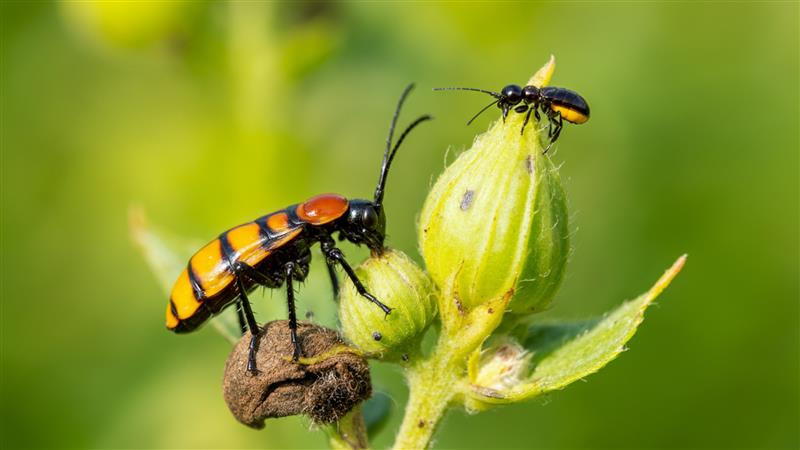
Every season, Indian farmers face one major, unpredictable challenge: pests and diseases that destroy crops and reduce yields. From cotton fields in Gujarat to vegetable farms in Maharashtra, these threats silently attack when conditions are right, often leaving little time for effective control.
Traditionally, pest and disease control has been reactive farmers respond only after noticing visible symptoms. By then, it’s often too late. But what if there was a way to get early warnings and take action before damage occurs?
With JioKrishi’s pest and disease alerts, Indian farmers now have access to an advanced, AI-powered system for early detection and smart crop protection. Let’s explore how proactive pest and disease management using JioKrishi can transform agriculture in India.
The Hidden Cost of Crop Threats in Indian Agriculture
Pests and diseases are a constant threat, causing 20–40% of crop losses each year in India. These losses have a massive economic impact on farmers and the overall agri-economy.
Take Pink Bollworm, a notorious pest in cotton crops. It attacks the cotton bolls, reducing both quantity and quality. Diseases like Fusarium Wilt, which affect soil and root systems, can devastate fields for multiple seasons.
Other common issues like powdery mildew, leaf spot , and stem borers silently reduce productivity unless detected early. The result? Lower yields, reduced profits, and increased use of expensive chemical sprays.
Why Traditional Pest Control Isn’t Enough
Most farmers still rely on manual scouting and reactive spraying . This method has serious limitations:
- Late detection means crops are already infected or infested
- Excess pesticide use harms soil health and increases input costs
- Lack of precision results in misidentification and inefficient treatments
Moreover, changing climate conditions have made pest patterns harder to predict. What worked last season may not work now.
This is where smart agriculture tools like JioKrishi come in—offering early warnings, customized advice, and real-time monitoring to shift from reactive to proactive crop protection.
How JioKrishi's Early Warning System Works
JioKrishi’s pest and disease alerts system uses artificial intelligence, weather data, and machine learning to predict outbreaks before they happen. Here's how the technology works:
1. AI and Machine Learning for Early Prediction
The JioKrishi system analyzes:
- Local weather conditions (temperature, humidity, rainfall)
- Crop stage and type
- Historical pest/disease data
Using this data, machine learning models predict the probability of pest or disease outbreaks for specific crops. For example, if high humidity and specific temperatures are detected during the flowering stage of a cotton crop, the system might issue a high-risk alert for Pink Bollworm or leaf blight.
These early warnings help farmers take preventive measures, reducing the chance of full-blown infestations.
2. Real-time Monitoring Without Expensive Sensors
JioKrishi supports both IoT-based and sensor-less technologies:
- IoT sensors (optional) can track real-time field conditions like leaf wetness, temperature , and humidity.
- For those without sensors, the app uses satellite data, weather station data, and remote sensing to monitor conditions.
This makes the platform accessible even to smallholder farmers without costly hardware—perfect for widespread adoption across India.
3. Timely Alerts and Actionable Guidance
When JioKrishi detects a risk, farmers receive an alert on their mobile phone with the following:
- Risk level (Low, Medium, or High)
- Identified pest/disease (e.g., Powdery Mildew, Downy Mildew, Root Rot)
- Recommended actions such as:
- Specific treatments or bio-pesticides
- Cultural practices to reduce risk
- Spraying suggestions with timing
These alerts are localized, delivered in regional languages , and linked to expert advice—making them easy to understand and act on.
Using JioKrishi Pest Alerts: A Simple Guide for Farmers
Whether you're growing cotton, tomatoes, onions, or rice, using JioKrishi is simple:
- Download the JioKrishi app from the Google Play Store.
- Register your farm by entering your crop type and location.
- Receive alerts directly to your phone whenever there's a risk.
- View suggested actions and follow expert recommendations.
- Optionally, connect with agri-advisors for further help.
Need help identifying pests? The app acts like a फसलरोगपहचानऐप, with photos and guides that help you spot problems early.
Benefits of Proactive Pest and Disease Management with JioKrishi
Making the shift to proactive pest and disease alerts offers several major advantages:
- By acting before outbreaks become serious, farmers can save large portions of their harvest.
- Spray only when and where needed—saving money on pesticides and reducing chemical exposure.
- Healthy crops mean higher market value and more profit per acre .
- Avoiding overuse of chemicals helps maintain soil health , encourages natural predators, and promotes sustainable agriculture .
- From कापूसपिकातीलकीड नियंत्रण in Maharashtra to કપાસમાંજીવાત નિયંત્રણ in Gujarat, the app supports region-specific threats and practices.
Reduced Crop Losses
Smarter, Targeted Spraying
Better Yield and Quality
Eco-Friendly Farming
Localized, Accessible & Regional Support
Conclusion: Embrace the Future of Smart Farming
In today’s unpredictable climate, the old ways of managing pests and diseases are no longer enough. Farmers need to stay ahead of threats , not just respond to them.
With JioKrishi’s AI-powered alerts, farmers gain access to cutting-edge tools that are easy to use, cost-effective, and regionally relevant . Whether you're a progressive


